
Step Tempest Steps Out: Large Ensemble Explorations
New albums from Miggy Augmented Orchestra & Miho Hazama/Danish Radio Big Band

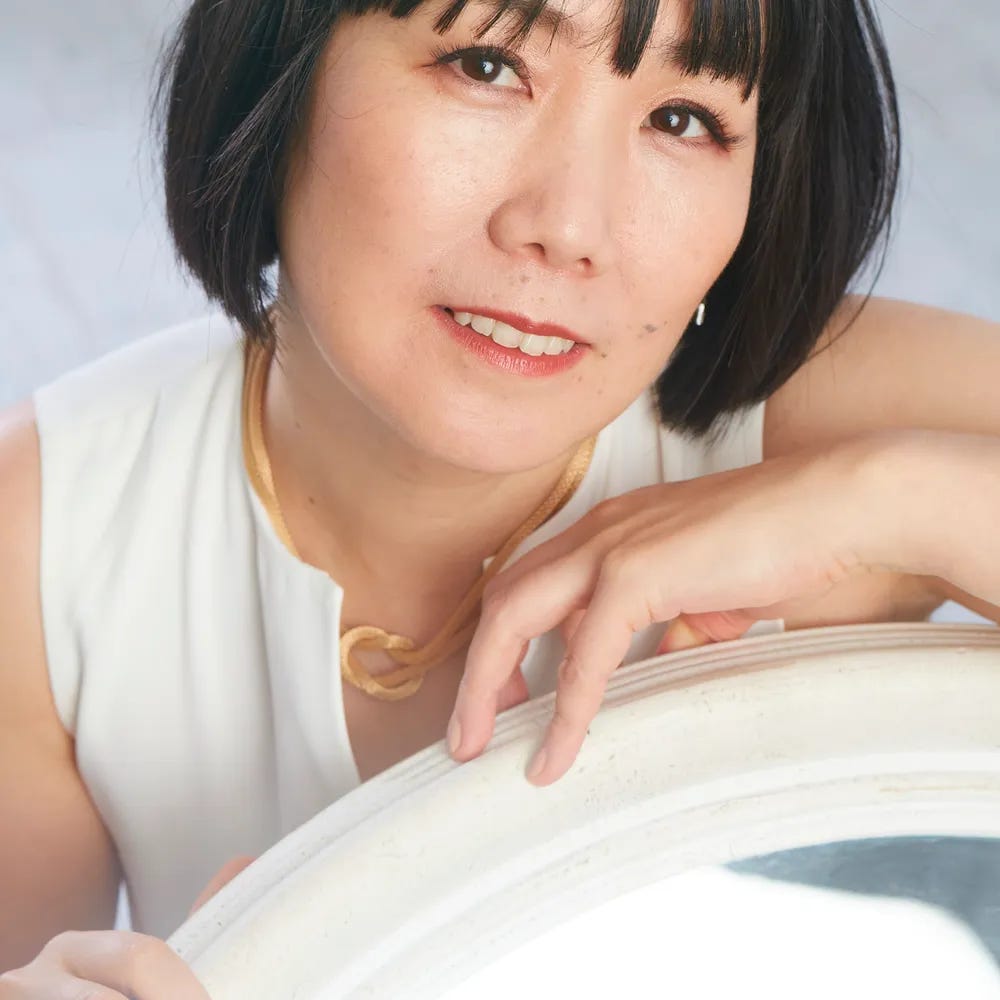
The story that Migiwa “Miggy” Miyajima and MIggy Augmented Orchestra tell on her new album, “Unbreakable Hope & Resilience” (Soundspore Records), is one of survival and growth, of dealing with a catastrophe of major proportions, and what we can learn from the experience and the survivors. She does so with an 18-member ensemble and four actors. The music, at times, is quite powerful, with the composer's hope that hearing the project can help people move forward and that outside observers pay more attention.

As you will learn, the story begins on March 11, 2011, as the composer is teaching her piano students. The house begins to shake, electric poles begin to spark and snap, and trees collapse as do houses in the neighborhood. The event became known as the Great East Japan Earthquake. For many people outside of Japan, the most important part of the “event” is the collapse of the Fukushima nuclear reactor, which forced the relocation and resettlement of over 160,000 people. In addition, over 400,000 people were exposed to “fallout stress”.
The year after the earthquake, Miggy was scheduled to come to the United States to study with the composer and arranger Jim McNeely. She felt guilt about using the money from a grant that the Japanese government gave her, but soon realized she would do her best to learn how to compose and create a project that would tell the story of the survivors. Over the following 15 years, she interviewed over 20 people, composed over an hour’s worth of music, organized a band, found the actors, and finally presented the finished project on March 17, 2025, at Dizzy’s Club, part of Jazz at Lincoln Center.
Listen to “Where Is My Home?”:
Note the alarm-sounding brass, the thunderous percussion, the feel that the world is transforming before your very eyes. The lead voice at the onset is trombonist Ryan Keberle before drummer Tim Horner thunders over the orchestra. The music takes on a rapid pace over which tenor saxophonist Sam Dillon powers forward while the brass and reed sections wail, rail, cry beneath him. The tenor solo is stunning: when it stops short, actor Ashton Muňiz talks about what the days following the earthquake wrere like. The orchestra returns but the swing has been replaced by slow, dirge-like flow for Dillon to continue to move the story forward
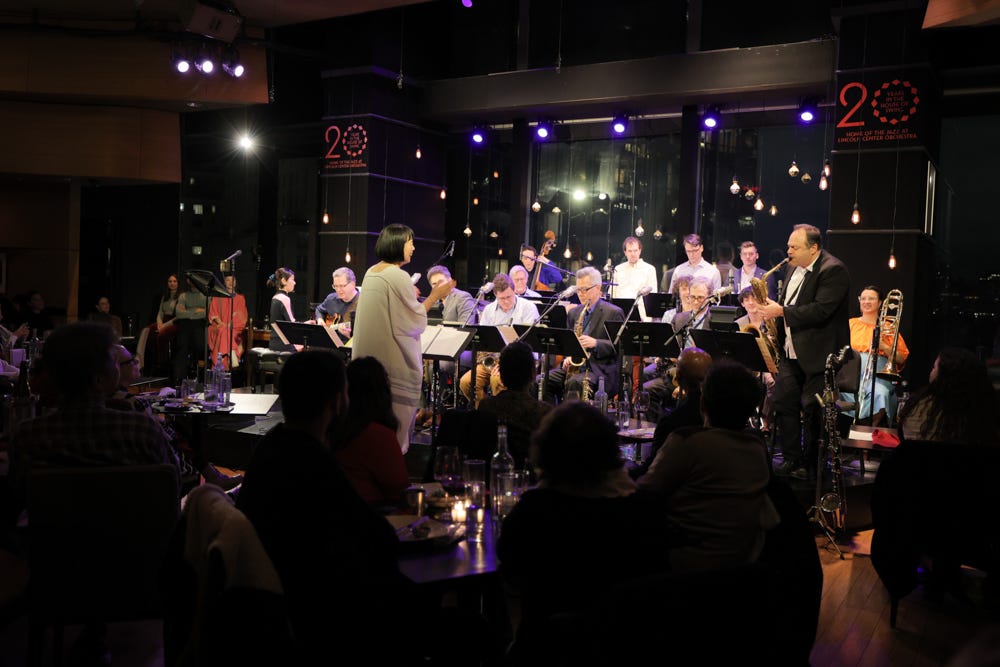
It’s not my place to tell this story. Reader, you must listen to the music, notice the great soloists, including Ben Kono (flute), David Smith (trumpet), Pete McCann (guitar), Quinsin Nachoff (his tenor saxophone solo on “I Live, I Talk” is so powerful and emotionally strong) , and Rachel Therrien (trumpet) as well as the afore-mentioned Dillon, Keberle, and Horner.
You must pay attention to Miggy’s story. Tragedies happen nearly every day in the form of natural disasters, wars, pandemics, and economic upheaval. It’s easy to get numb, looking at constant images and reading the daily news. What Miggy wants you to understand is that the survivors oiften find a way through the horrors and repercussions and should not be forgotten. That’s why the album cover, why the music looks and sounds contemporary, and why you will finish the album with a feeling of hope, perhaps even joy!
This is not Miggy’s first recording. In 2018, thanks to a successfuk ArtistShare campaign, her Augmented Orchestra released “Colorful”. Go to www.artistshare.com/Projects/Experience/365/500/1/Migiwa-Miyajima-Colorful to learn more about the album and to read Miggy’s incredible story of how she went from a successful editor-in-chief job to studying with Jim McNeeely and her involvement with the Vanguard Jazz Orchestra
Personnel on “Unbreakable Hope & Resilience”:
Migiwa “Miggy” Miyajima, composer, conductor, piano (on “A Step for Tomorrow”) )
🎤 Megan Masako Haley, actor, singer
🎺 Dan Urness, trumpet, flugelhorn
🎺 David Smith, trumpet, flugelhorn
🎺 Stuart Mack, trumpet, flugelhorn
🎺 Rachel Therrien, trumpet, flugelhorn
📎 Ryan Keberle, trombone
📎 Jason Jackson, trombone
📎 Evan Amoroso, trombone
📎 Gina Benalcazar-Lopez, bass trombone
🎷 Ben Kono, alto saxophone, soprano sax, flute
🎷 Todd Bashore, alto saxophone, flute, clarinet
🎷 Sam Dillon, tenor saxophone, clarinet
🎷 Quinsin Nachoff, tenor saxophone, clarinet
🎷 Carl Maraghi, baritone saxophone, bass clarinet
🎸 Pete McCann, guitar
🎹 Martha Kato, piano (All except #6)
🎻 Jared Beckstead-Craan, bass
🥁 Tim Horner, drums
🎤 Ashton Muñiz, actor for Akira Sato, Kazemaru Chiba, Takayuki, Takayuki Yoshinaga
🎤 Arielle Gonzalez, actor for Yuko Miyajima, Kyohmi Takahashi, A.K. and Together for 311
Interviewees
Akira Sato (Fukushima First Bible Baptist Church)
Kyohmi Takahashi
Kazemaru Chiba
Takayuki Yoshinaga
A.K. Akemi Kakihara and 12 fellows from Fellowship for Japan (Together for 311)
Yuko Miyajima
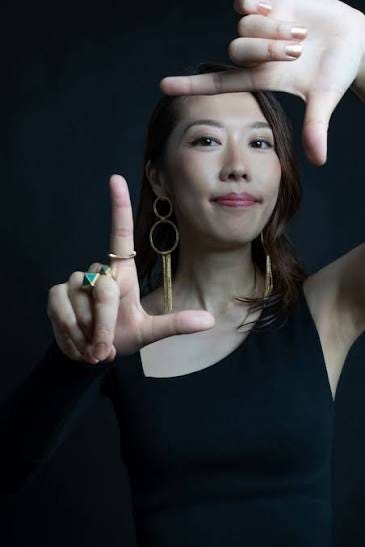
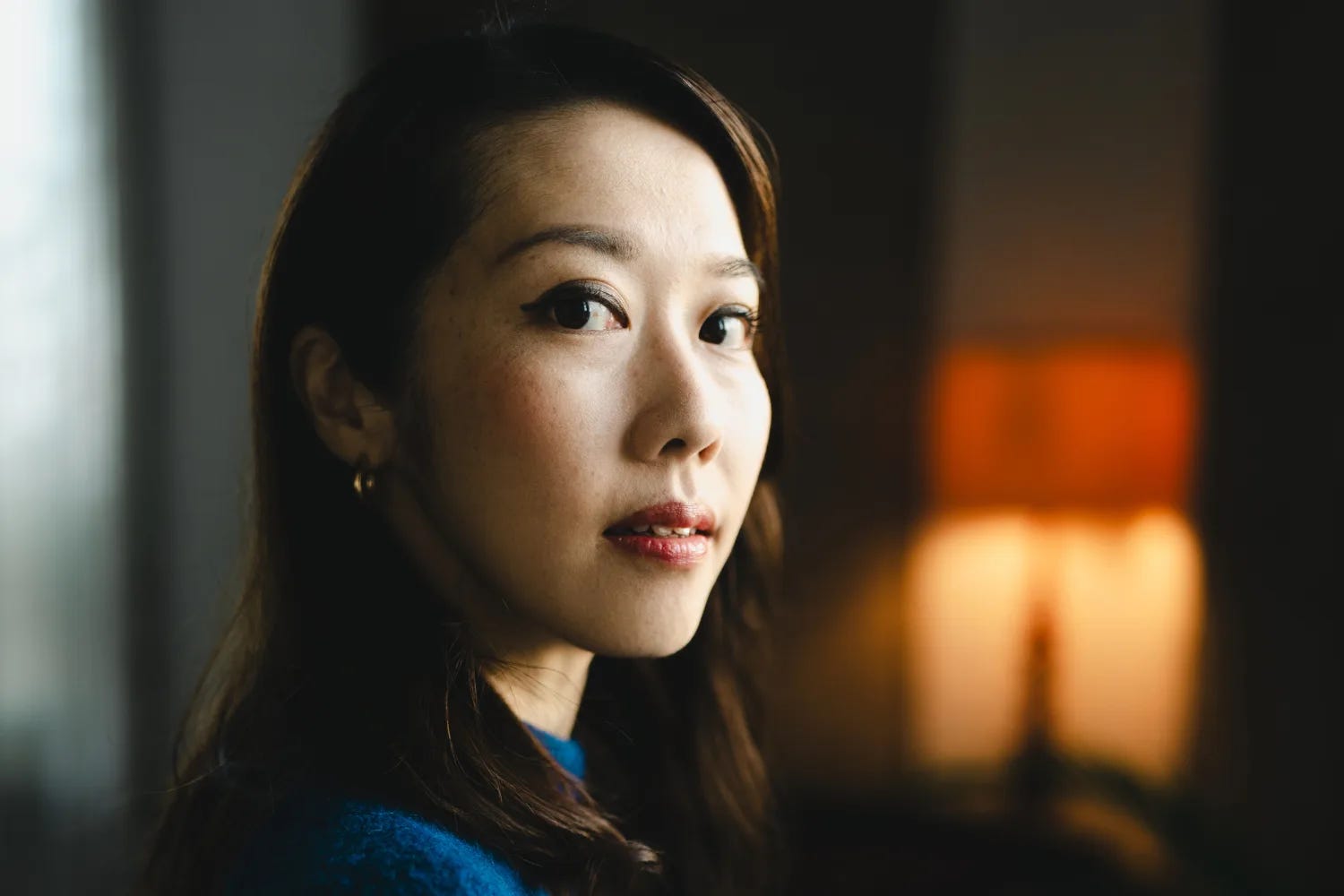
In 2019, the Danish Radio Big Band announced that composer and arranger Miho Hazama (pictured above) would become its next Chief Conductor. Since then, she and the DRBB have recorded three albums, all on Edition Records. The first one, “Imaginary Visions”, was issued in 2021 and consists of all original material from the leader. In March 2025, “Live Life This Day: Celebrating Thad Jones”, was released. The project combined the DRRB with the Danish National Symphony Orchestra playing a selection of Jones’ composition plus several by Ms. Hazama (and one that she completed). Jones (1923-86) had left his Orchestra with Mel Lewis, defecting to Copenhagen to lead the Danish band for the next six years.
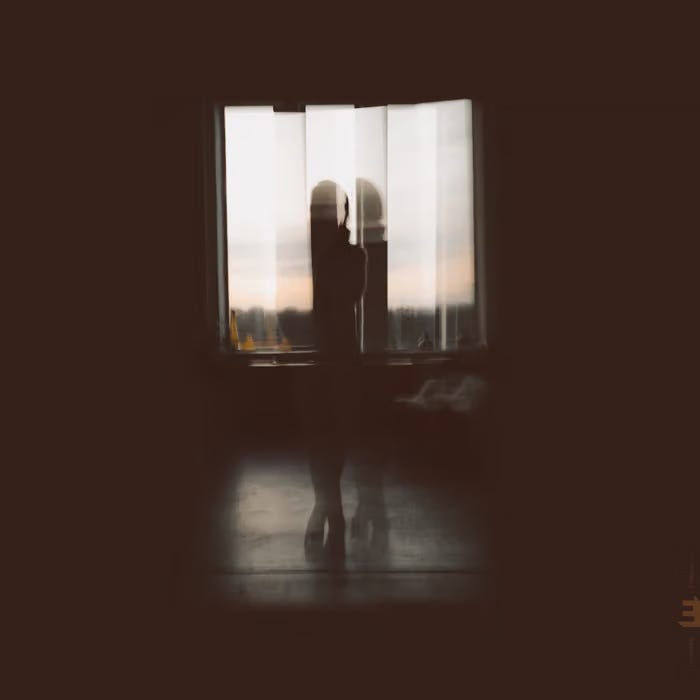
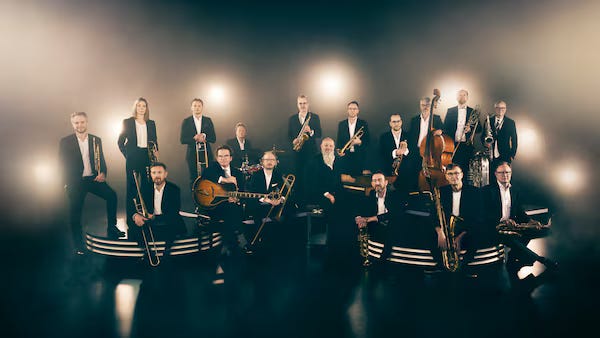
Ms. Hazama’s third recording with the DRRB is entitled “Frames” .To get ready for writing the program, she studied the works and styles of the Band’s previous conductors (Ib Glindemann, Ray Pitts, Palle Mikkelborg, Thad Jones, Ole Kock Hansen, Bob Brookmeyer, and Jim McNeely), completing the project just three months after Mr. McNeely passed (September 2025). Like all the names above, Ms. Hazama has learned about and writes to the strengths of each musician. Her ability to absorb influences and create her own music has been well-documented throughout her career.
Listen to “And the Door Unsealed”:
There’s the spray of horns to lead the song in; then, the reed section plays the melody. There’s a bluesy texture to the phrases. The drummer kicks the band into action with guitarist Per Gade taking the lead. Listen to how the reeds and brass frame Gade’s guitar and how drummer Søren Frost keeps pushing the band forward. A tenor sax solos wafts out of the maze of horns before the reeds and brass play an amazing, swirling
These pieces are all so good but none more impressive than “LuLu”. Opening with a circular melody played on kalimba (African thumb piano, a flugelhorn follows with a gentle melody followed by a trumpet melody supported by all the brass, one feels a sense of love and loss. The reeds join the brass to move the melody forward. The rhythm section then takes over: first a circular melody on piano followed by sweet cymbal sounds before Kaspar Vadsholt’s handsome bass solo. The reeds, flutes, and brass take over with a fine tenor flowing over the them. The brass responds to the tenor sax lines as the intensity but only so far. Everyone drops, then the piano plays a quiet figure while the tenor is now playing a heartbreaking melody. Supported by reeds and guitar, the music floats to its quiet completion. Truly a stunniung performance.
The playful, mysterious, “Rondo” closes the program. Trombone and muted trumpet play the melody as the pianist flits around, the rhythm played a slow jungle rhythm. There’s a splendid soprano sax solo with the brass filling spaces around the melody lines. All of a sudden, the rhythm section pushes forward while the brass section takes front-and-center, the reeds responding below. A raucous trombone solo over the cascading brass and reeds drive the song to its thunderous conclusion that stops short, followed by the two quick brass toots.
“Frames” is a subtle, singing, and stunning collection of songs inspired by the work of all the previous Chief Conductors of the Danish Radio Big Band. Yet the current leader, Miho Hazama, felt no need to imitate any of their styles. Like they did, she knows how far she can push her band — and have no doubt, this is her band — and how they will respond by digging in and going further. Both Ms. Hazama and Migiwa Miyajima (see above) came to the United States to study with Jim McNeely. They both learned a lot but perhaps the best lessons he taught the young composers was to “be yourself and know your musicians”.
For more information, go to www.mihohazama.com/.
Personnel:
Miho Hazama
Composer, Conductor
Danish Radio Big Band:
Woodwinds
Peter Fuglsang
Nicolai Schultz
Hans Ulrik
Karl-Martin Almqvist
Frederick Menzies
Trumpets
Dave Vreuls
Ari Bragi Karason
Thomas Kjærgaard
Mads la Cour
Gidon Nunes Vaz
Trombone, Bass Trombone, Tuba
Peter Dahlgren
Petter Hängsel
Annette Saxe
Gustaf Wiklund
Jakob Munk Mortensen
Per Gade - Guitar
Artur Tuznik - Piano
Kaspar Vadsholt - Upright bass
Søren Frost - Drums