
Step Tempest Steps Out: Inspired by Nature
A different Large Ensemble experience

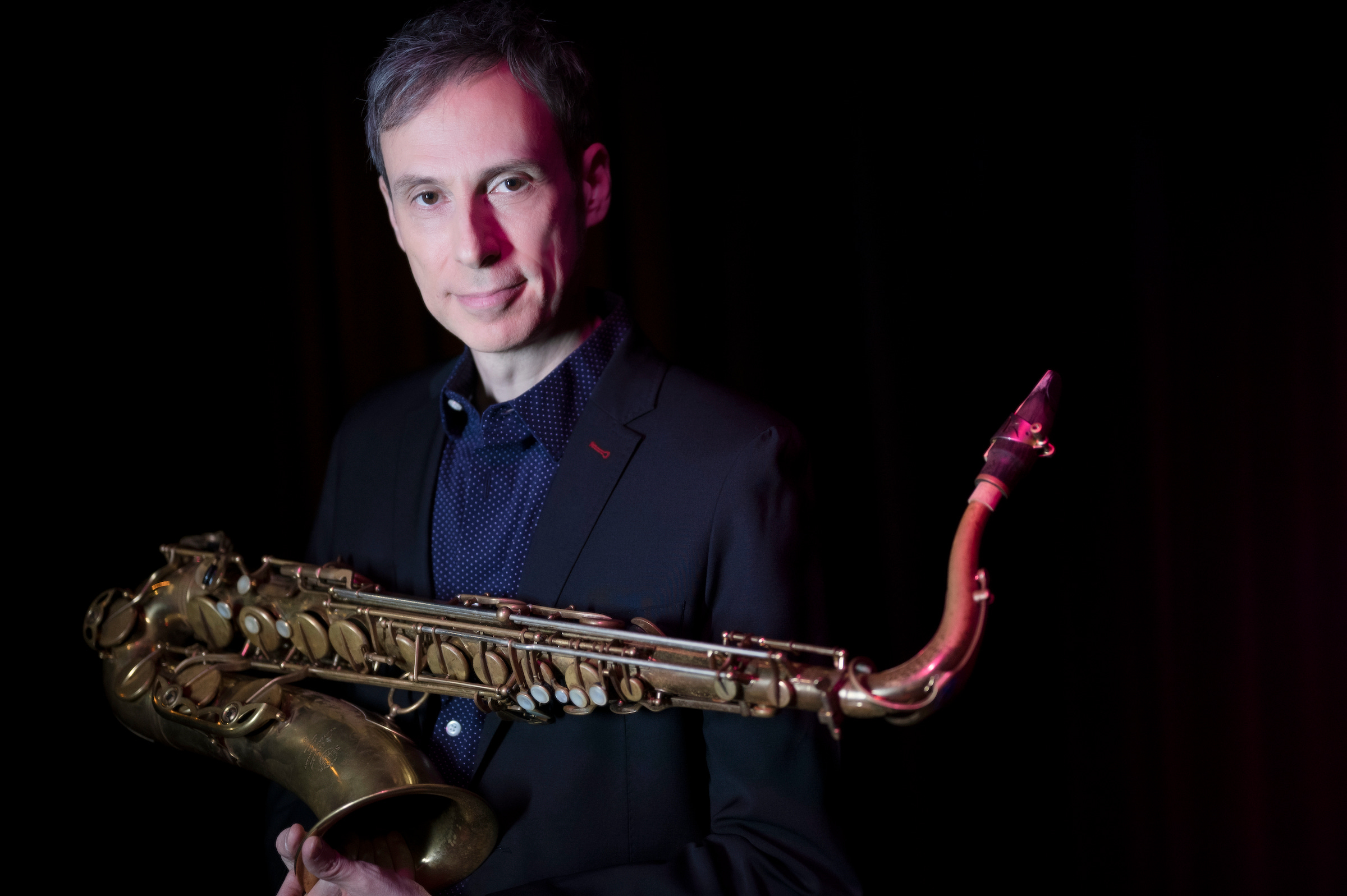
Saxophonist and composer Quinsin Nachoff is no newcomer to the fusion of jazz and classical music. He’s composed and recorded string quartets, a piece for violinist Natalie Bonin, with drummer-less ensembles, with jazz quartets, and with trios. He’s a thoughtful writer, an adventurous arranger, and a powerful soloist.
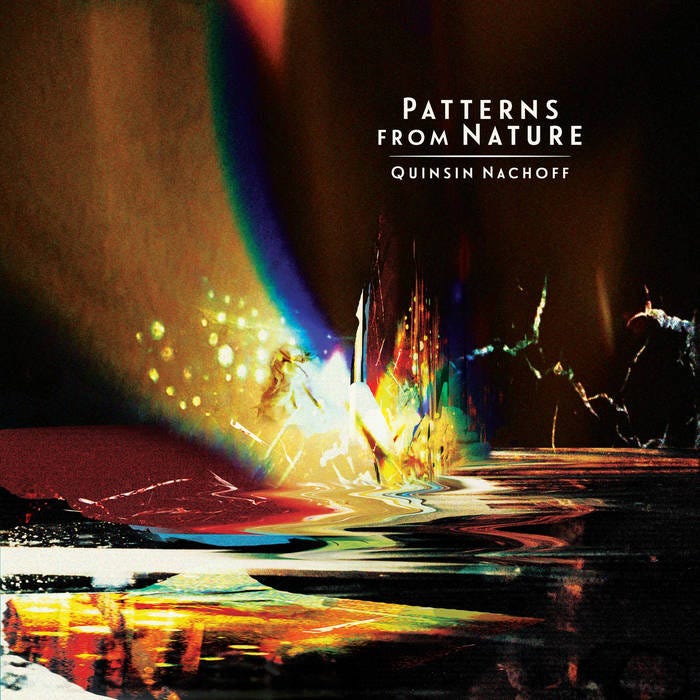
His new album, “Patterns from Nature” (Whirlwind Recordings), features two multi-part compositions for large ensemble (11 and 10) plus the Molinari String Quartet. The Montreal, CA-based MSQ performed on Nachoff’s 2020 album “Pivotal Arc”; the group has also recorded albums of music by Henryk Górecki, John Zorn, Philip Glass, Sofia Gubaidulina, Alfred Schnittke, and others.
Listen to the opening Movement of the title track, “Branches”:
While this opening Movement becomes a tour-de-force for pianist Matt Mitchell, what stands out for this listener (on this track and throughout the album) is how clearly you can hear the other instruments and their conversations with each other and the soloists. Also, the playing of percussionist Satoshi Takeishi shines brightly on the four part, 42 minute, work.
How and where you listen to this music is also important. This is “car” music! If you do not have a quiet room where you can lose yourself in the performance, listen while walking through a nature preserve, through a forest, by a river, some place outside where there are few, if any, cars and trucks passing by. If you dedicate yourself to the sounds, you might hear the reeds, brass, and higher strings as birds flying overhead, the viola and cello as the wind, and Takeishi’s percussion as the ever-flowing, ever-changing river. Find a place to sit, close your eyes, and “see” the music. The music changes faster that nature yet one can sense changes in the environment. In “Movement III. “Cracks”, François Houle’s playful clarinet jumps out of the mix like a butterfly flitting over and through a garden. Roberta Michel plays the role of the butterfly on “Movement IV. Ripples”, interacting with the vibraphone (Aaron Edgcomb) and Takeishi’s drums. The leader’s tenor sax solo flies through the windstorm created by the strings and percussion; at times, Nachoff has a sweeter tone and other times, he becomes “conversational”. Trombonist Ryan Keberle “cries” out over a slower yet still tense rhythm. As he settles into the solo, he and the strings begin a conversation that is joined by Nachoff and propelled by the drums. The music collapses into itself before reaching its powerful climax.
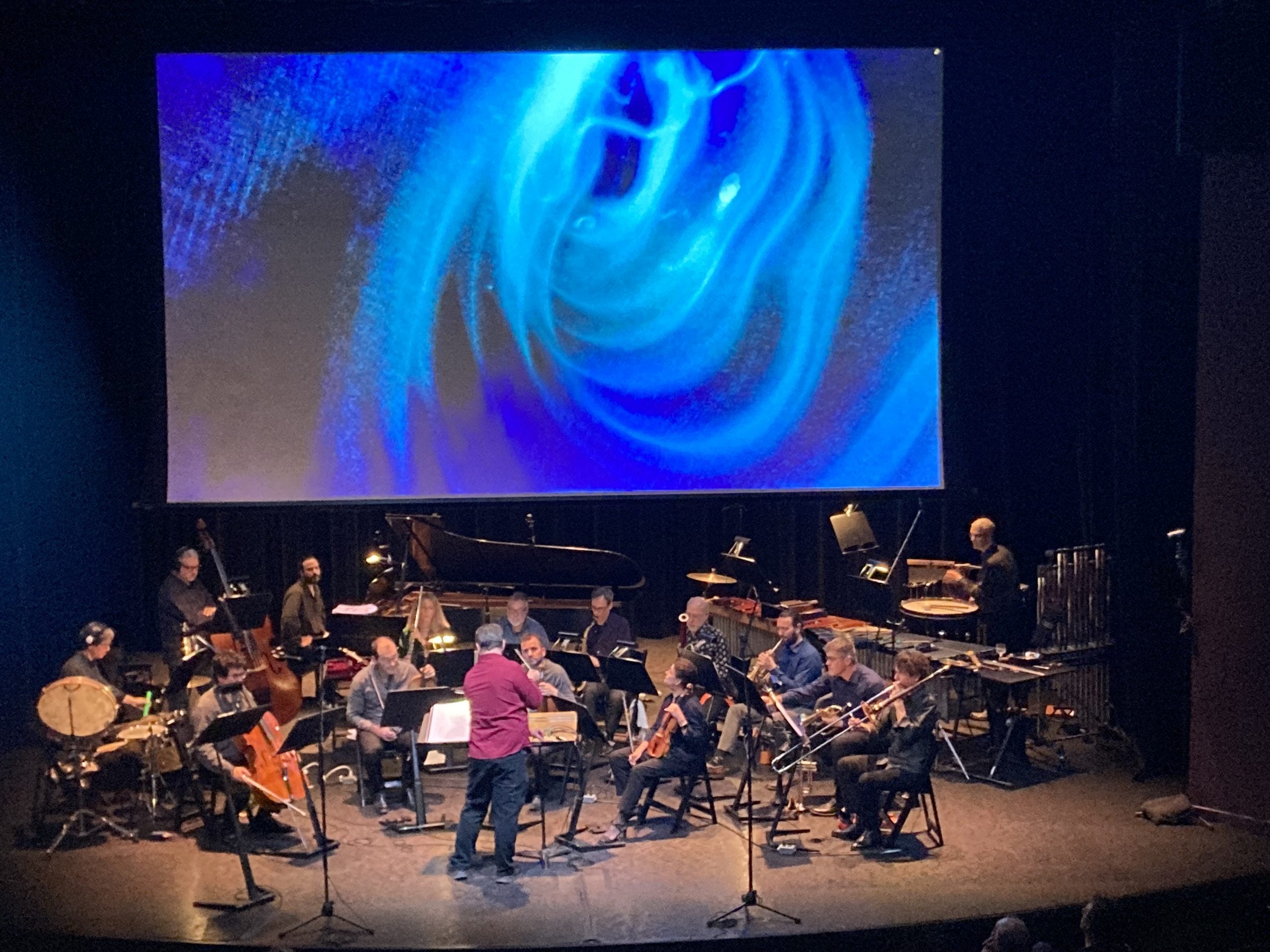
The second suite, “Winding Tessellations: Saxophone Concerto”, features the entire ensemble minus percussionist Takeishi. The opening movement, “Winding Paths”, starts with the ensemble stating a theme; out of that melody, Nachoff’s tenor sax sets off on journey. The assembled multitude surround him but do not respond. The arrangement gives Nachoff the room to move freely throughout the piece. Movement two, “Convergence”, opens in a darker mode, with melodic statements from flute, cello, vibraphone, and tenor sax. There are moments that remind this listener of the classical pieces of Julius Hemphill––so many different reference points thast it’s hard to typecast the music. “Tesselations” is the third movement. Now, it seems that all the musicians are part of the conversation, responding to each other and to Nachoff’s powerful solo. At times, one hears Aaron Copland, at others, George Gershwin, and the afore-mentioned Julius Hemphill. It’s the most “playful” section of the Suite and the album. Nachoff squeezes out such high notes as the piece careers to a close. The last sounds we hear are his breath through his horn. It’s unsettling, unresolved, and thought-provoking.,
“Patterns from Nature” is, arguably, one of the best fusion of disparate genres since Mike Holober’s 2024 masterwork “This Rock We’re On.” Since arriving on the “scene”, Quinsin Nachoff has been known as a fine soloist. These two works show him to be a mature composer and arranger with important stories to tell.
For more information, go to https://quinsin.com/.
Personnel
Quinsin Nachoff – tenor saxophone, composer
JC Sanford – conductor
Roberta Michel – flute, piccolo, alto flute, bass flute
François Houle – clarinet
Sara Schoenbeck – bassoon
Tony Kadleck – trumpet
John Clark – french horn
Ryan Keberle – trombone
Aaron Edgcomb – percussion
Gene Hardy – musical saw (“Patterns from Nature: II”. “Flow”)
Matt Mitchell – piano
Carlo De Rosa – bass
Satoshi Takeishi – percussion (Patterns from Nature)
Molinari String Quartet (Quatuor Molinari):
Olga Ranzenhofer – violin I
Antoine Bareil – violin II
Frédéric Lambert – viola
Pierre-Alain Bouvrette – cello